Home › Asphalt Milling and Reclamation
Prepare your pavement for long lasting repairs with asphalt milling in Richmond, VA. We grind existing surfaces to correct profile, improve drainage, and make room for new overlays. For severely failed areas, our reclamation services blend asphalt and base together for a stronger, recycled foundation.
Precision Asphalt Richmond provides professional asphalt milling throughout Richmond, VA, Virginia and the surrounding area. Our licensed, insured crew delivers safe, clean, on-time work with a free estimate before anything begins. Call (804) 409-4124 or request your free quote.
Asphalt Milling and Reclamation for Richmond Properties
Asphalt milling is a precise way to remove and recycle worn pavement so your lot or roadway can be resurfaced without the cost of tearing everything out. At Precision Asphalt Richmond, we use milling and full-depth reclamation to correct drainage, fix surface failures, and prepare a solid base for new asphalt on commercial lots, HOAs, and private drives across Richmond and the surrounding counties.
In Central Virginia, hot summers, sudden thunderstorms, and winter freeze-thaw cycles put steady stress on asphalt. Milling lets us address ruts, ponding water, and surface cracking while keeping the stable layers underneath. Reclamation goes deeper when the base has failed, blending existing asphalt and stone in place to create a stronger foundation. Used correctly, both methods give you a better-performing surface and extend the life of your pavement budget.
Our team does not treat milling as a quick grind and pave. Every project begins with a site evaluation that looks at existing asphalt thickness, subgrade stability, traffic patterns, and drainage behavior during a Richmond rain event. That assessment determines whether you need shallow profile milling, deeper corrective milling, or full-depth reclamation, and it prevents unpleasant surprises halfway through the job.
How Asphalt Milling Actually Works on Your Site
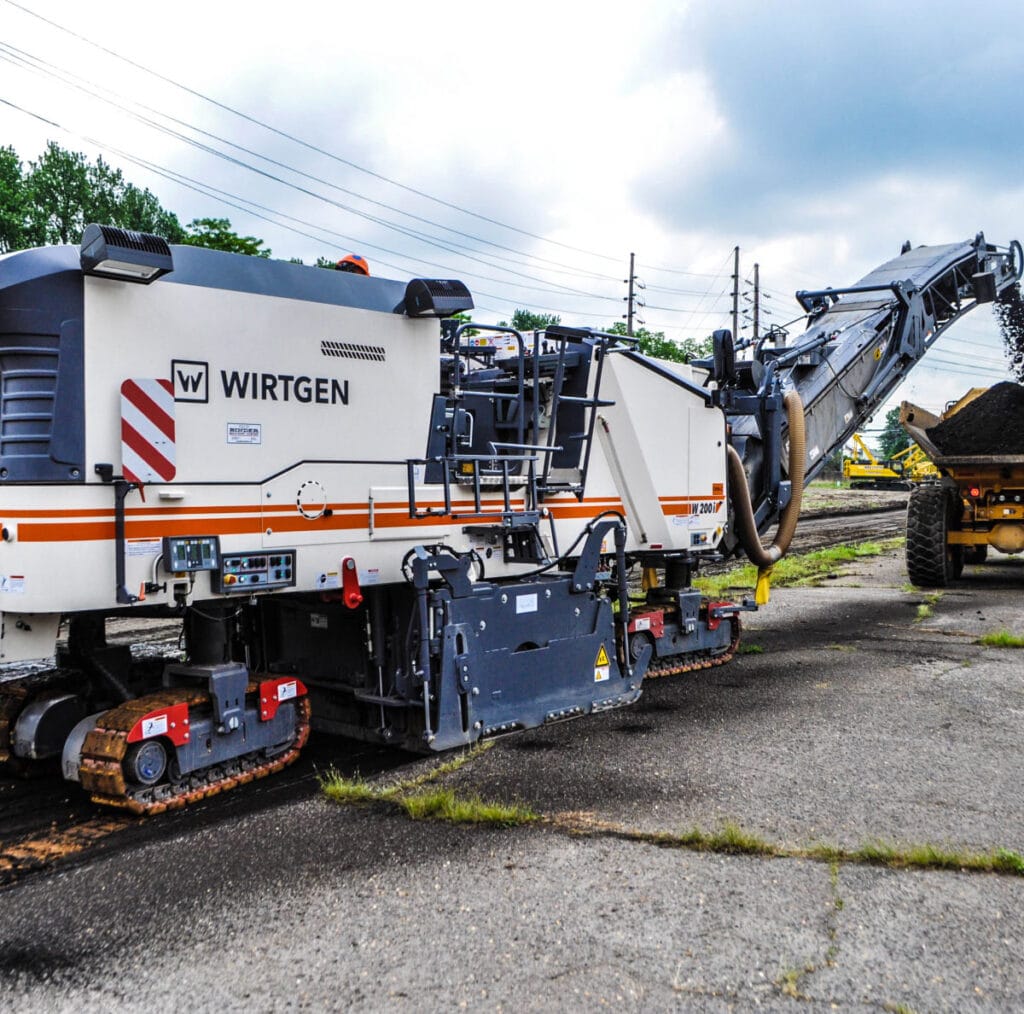
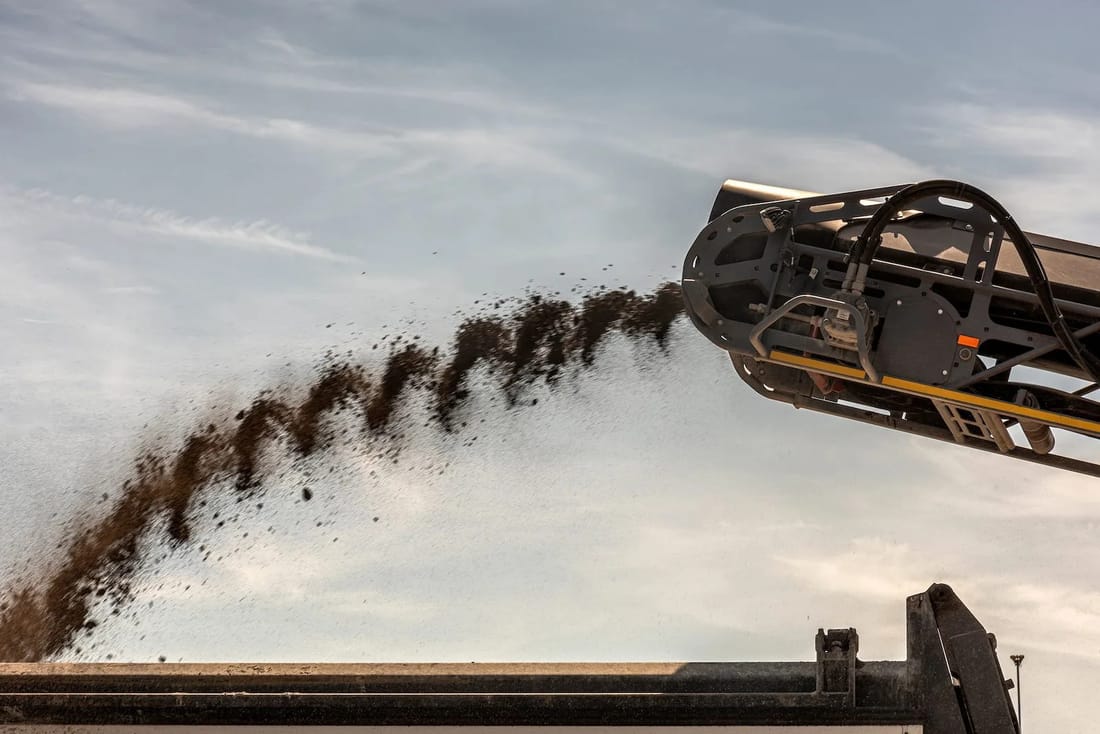
Asphalt milling uses a specialized machine with a rotating drum equipped with carbide teeth. The machine grinds the existing asphalt to a controlled depth, typically between 1 and 3 inches for overlays, and conveys the milled material into waiting trucks for recycling. At Precision Asphalt Richmond, we adjust the cutting speed, depth, and drum pattern to match the condition of your pavement and the finish needed for the new surface.
On a typical commercial parking lot in Richmond, we start by marking transitions at entrances, ADA ramps, and around drainage structures. We set the mill to remove enough material so the final overlay ties in smoothly to those fixed points without creating trip lips or puddling edges. The operator monitors grade and slope throughout, and our crew constantly checks depths with cores or probes to verify we are not cutting into the base where it is still sound.
After milling, the surface is broomed and swept with a power sweeper to remove loose fines. We then inspect the milled surface for soft spots, exposed fabric, or base failures that the old asphalt was hiding. Those localized issues are patched or undercut and rebuilt with stone and asphalt before any new lift is paved. Only after the milled surface is clean, dry, and structurally sound do we apply tack coat and place the new asphalt layer.
Full-Depth Reclamation for Failing Pavement
When Richmond pavements have widespread base failure, alligator cracking across large areas, or deep rutting in wheel paths, milling the top is not enough. Full-depth reclamation is a process where we pulverize the entire asphalt section and a portion of the stone base, then remix and compact it to form a new stabilized base in place.
Precision Asphalt Richmond uses reclamation on older industrial lots, low-volume roads, and long private drives where the cost of full removal and replacement would be excessive. A reclaiming machine blends asphalt and base material to a depth of 6 to 12 inches, depending on design. We may add cement or asphalt emulsion to improve strength, moisture resistance, and stiffness, which is especially useful in areas of Richmond with weaker native soils or poor drainage.
After mixing, we shape the reclaimed layer with motor graders to establish proper crown or cross slope. The material is then compacted with vibratory rollers until density targets are met. Once cured, this recycled base is strong enough to support new asphalt lifts and future traffic, often outperforming the original construction at a lower life cycle cost.
Local Factors in Richmond That Affect Milling and Timing
Richmond’s climate heavily influences when and how asphalt milling and reclamation should be done. Summer heat is ideal for paving, but the surface and air temperatures can also push equipment and crews, so we schedule milling and paving so fresh overlays are placed during temperature windows that allow proper compaction without scuffing. In cooler months, milling can still be done, but overlays must be timed around temperature and daylight to meet specification.
Frequent thunderstorms and short, intense rain events typical of Central Virginia require planning. Milling opens up surface texture, which improves drainage after the project is complete, but during construction, it can allow more water to sit or infiltrate if the site is not secured. Precision Asphalt Richmond carefully sequences work to avoid leaving large milled areas exposed before storms and uses temporary measures around inlets and sensitive areas.
Local soils also matter. In parts of the Richmond region where underlying clay holds water, heavy trucks on a freshly milled or reclaimed surface can cause pumping or instability. We manage traffic with phased construction, temporary stone, and, where needed, chemical stabilization. This local experience keeps projects on schedule while protecting your subgrade from weather-related damage.
What Drives the Cost of Asphalt Milling and Reclamation
Several specific factors control the cost of an asphalt milling or reclamation project in Richmond, and understanding these helps you compare bids fairly. The first driver is depth and area. Shallow profile milling of a smooth, open lot is straightforward. Deeper corrective milling, multiple passes, or tight work around islands and utilities requires more machine time and labor.
Access and layout also influence price. Lots with many islands, tight turns, or overhead obstacles slow production. Urban Richmond locations with limited staging or nighttime-only work windows involve additional mobilizations and traffic control. Precision Asphalt Richmond accounts for these logistics in your proposal so you know exactly what is included.
For reclamation, depth of treatment, the need for additives like cement, and compaction requirements all affect cost. If lab testing indicates that a cement-stabilized base will significantly improve performance given your soil conditions and traffic loading, we will present that option with clear pricing and expected life extension. Hauling and disposal is another variable. Milled asphalt is recyclable, and when we can send it directly to a nearby plant or reuse it in your project, that can offset material costs compared to full-depth removal and landfill fees.
Common Pavement Problems and How Milling Solves Them
Asphalt milling and reclamation are not one-size-fits-all cures, so it is important to match the method to the problem. For surface ruts in drive lanes, shallow milling corrects the profile so water no longer follows the ruts and freeze-thaw damage is reduced. In Richmond parking lots where wheel paths have depressed under delivery trucks, we often mill only those lanes, then overlay to reestablish a smooth, safe driving surface.
Where ponding water is the main issue, we use variable-depth milling to adjust slopes. The milling machine can be set to remove more material near low spots and less near high spots, effectively regrading without touching the base. This is particularly useful near storefronts, ADA ramps, and loading docks where structure elevations are fixed but drainage needs to be improved.
If your pavement shows severe alligator cracking, widespread base pumping, or large areas that move under truck traffic, milling by itself may not be enough. In that case, we either undercut and rebuild isolated failures after milling or recommend full-depth reclamation. Precision Asphalt Richmond always explains why a certain approach is being recommended, using cores, photos, and on-site walk-throughs so you understand what is happening under the surface.
What Richmond Property Owners Should Ask Before Hiring
Before hiring anyone for asphalt milling or reclamation, you should be comfortable with their plan and their understanding of your site. Ask how they determined the milling depth and whether they verified existing asphalt thickness with cores or historical records. Precision Asphalt Richmond routinely cores pavements on larger projects so we know where the structural layers begin and end, which prevents accidental base damage.
You should also confirm how the contractor will handle transitions at entrances, sidewalks, and drains. A proper plan will describe where milling will feather into adjacent surfaces, how ADA slopes will be maintained, and how existing utility castings will be adjusted. Request details on traffic control and phasing so customers, tenants, and deliveries can access the property with minimal disruption.
Finally, ask what will happen to the milled material. As a recycler, Precision Asphalt Richmond sends reclaimed asphalt pavement to approved plants or reuses it in appropriate base applications, which is both environmentally responsible and often more economical. With a clear scope, documented depths, and a realistic schedule that accounts for Richmond weather, you will know your asphalt milling or reclamation project is set up for long-term success.