Home › Gravel-to-Asphalt Conversions
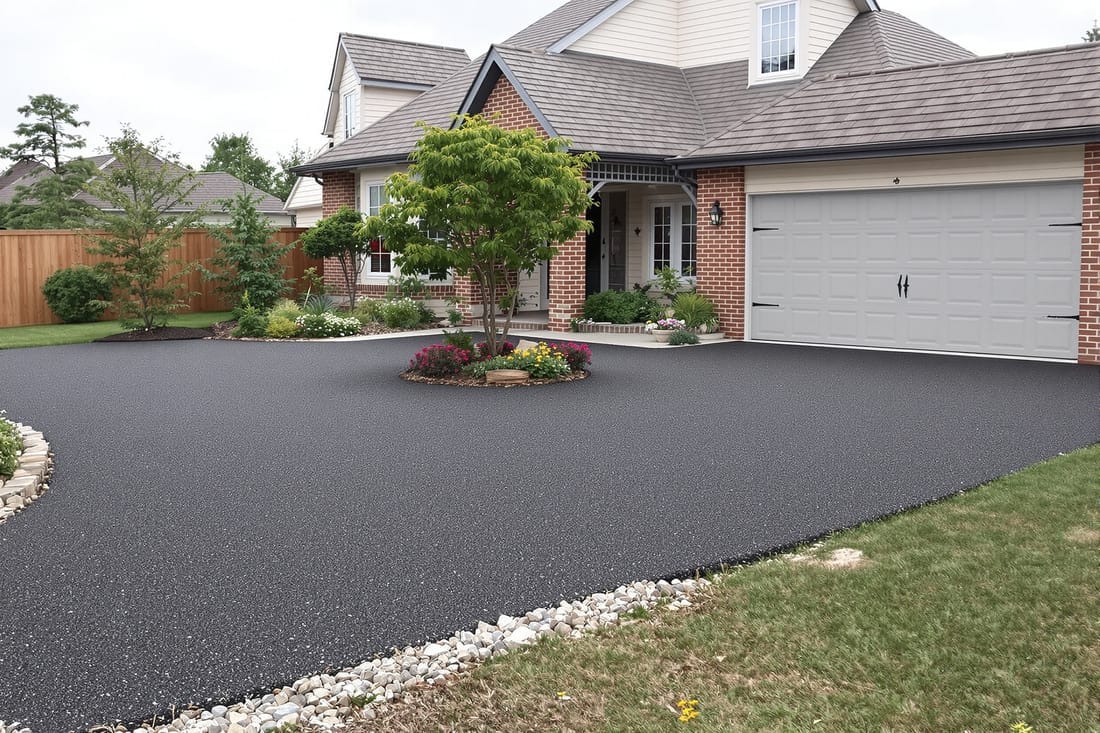
Tired of dust, ruts, and mud on your gravel drive Our gravel to asphalt driveway conversions in Richmond, VA create a clean, smooth blacktop surface. We grade the base, compact thoroughly, and pave with hot mix asphalt so your new driveway is easier to drive, plow, and maintain all year long.
Precision Asphalt Richmond provides professional gravel to asphalt driveway throughout Richmond, VA, Virginia and the surrounding area. Our licensed, insured crew delivers safe, clean, on-time work with a free estimate before anything begins. Call (804) 409-4124 or request your free quote.
Turn Your Gravel Driveway Into Smooth Asphalt in Richmond
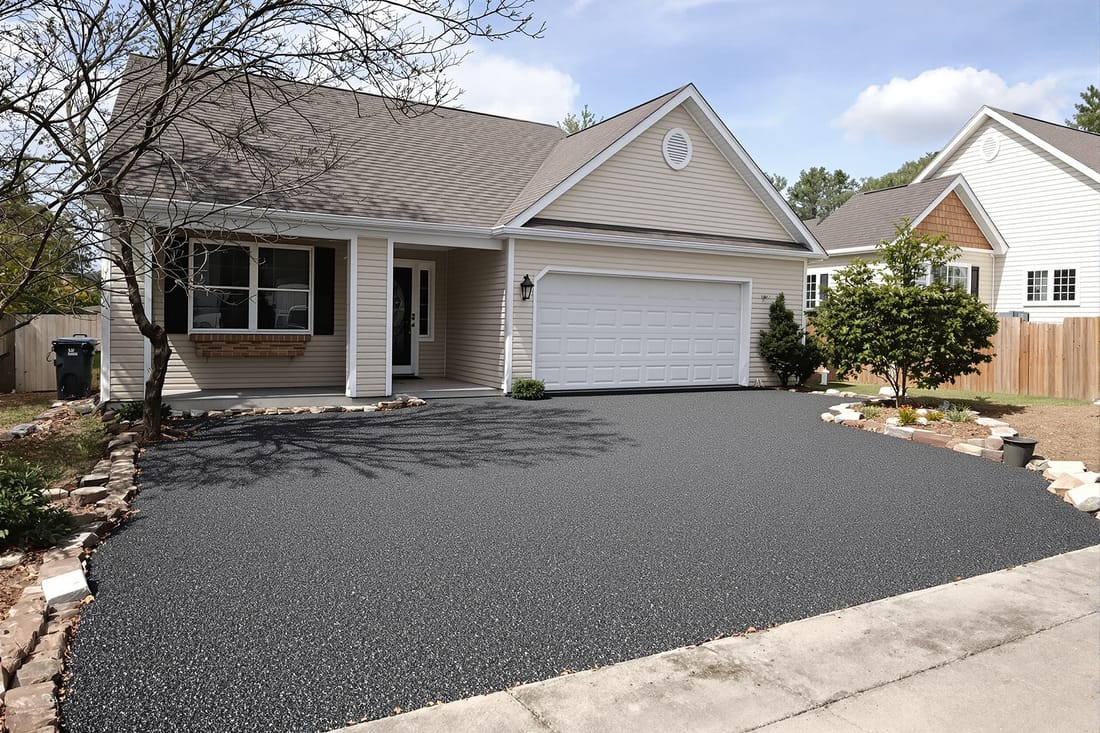
If you are tired of dust, ruts, and loose stone every time you pull into your driveway, a gravel to asphalt driveway conversion can be a smart upgrade for your Richmond home or business. Precision Asphalt Richmond focuses on taking existing gravel drives and turning them into durable, low‑maintenance asphalt surfaces that look clean and handle Central Virginia weather.
Around Richmond, many homes in Henrico, Chesterfield, Hanover, and older city neighborhoods still have long gravel lanes or small gravel parking areas. These often wash out during summer thunderstorms and create mud in the winter. Our team evaluates how your current gravel base has held up over the years and turns that into a foundation for new hot mix asphalt instead of starting from scratch whenever possible.
We treat each property as unique. A short driveway off a Fan District alley, a sloped Midlothian subdivision driveway, and a long rural lane outside Mechanicsville each need different thicknesses, drainage plans, and edge support. Precision Asphalt Richmond explains those choices in plain language before we start so you understand what you are getting and how long it should last.
What We Look At During Your Gravel Driveway Assessment
A successful gravel to asphalt driveway project starts with a careful inspection, not pouring asphalt. When Precision Asphalt Richmond visits your Richmond area property, we walk the full length and width of the existing gravel surface, including the shoulders and any turnarounds.
We check:
• Base condition: We probe through the gravel to see how thick the existing stone base is and whether it is compacted or loose. Many older Richmond driveways were built with just a thin layer of gravel on native clay. Those usually need base improvement before asphalt can hold up.
• Drainage and slope: Local red clay and heavy summer rains can cause soft spots and standing water. We look for ruts where water currently runs, low areas that pond, and how the driveway ties into the street or ditch line. In neighborhoods like Lakeside or Bon Air, older lots often have uneven grade changes that must be corrected.
• Access and use: A straight residential driveway that holds two passenger cars all week can be built differently than a looping gravel drive that sees construction trucks or landscaping trailers. If you have delivery trucks, RVs, or work vehicles, we may recommend thicker asphalt or an upgraded stone base.
We then discuss your preferences. Some Richmond homeowners want a simple blacktop replacement with minimal changes. Others want to widen the drive for extra parking or add a paved pad near a detached garage. We measure and mark potential changes so the estimate reflects your actual daily use.
Step‑by‑Step: How Precision Asphalt Richmond Converts Gravel to Asphalt
Our crews follow a clear process to convert your gravel driveway into smooth asphalt so the finished surface is strong, drains correctly, and looks neat.
1. Site preparation and grading
We start by shaping your existing gravel. Using grading equipment, we cut down high spots, fill low spots, and reestablish a consistent slope toward the street, yard, or drainage swale. In Richmond clay soils, this step is critical to prevent water from sitting under the asphalt and causing premature cracking.
2. Base repair or reinforcement
If your gravel is too thin or you have soft, pumping areas, we undercut those sections and install new crushed stone, usually a compacted base stone like 21A or 21B. On steeper West End or Southside driveways, we sometimes deepen the base to improve stability. We compact this stone with vibratory rollers so it locks together and supports the asphalt evenly.
3. Edge definition
We cut clean edges where the new asphalt will meet lawns, walkways, or existing concrete. If you request it, we can install a stone shoulder along the sides of the new asphalt to give tires a safe recovery area and reduce edge cracking.
4. Binder and surface asphalt placement
For most gravel to asphalt driveway projects around Richmond, we install a single compacted lift of hot mix asphalt for standard residential use, typically 2.5 to 3 inches thick after compaction. For heavier use or longer rural drives, we may recommend a two‑lift system with a stronger binder course on the bottom and a finer surface course on top for smoother appearance and better durability.
5. Compaction and finishing
We roll the new asphalt with steel and rubber tired rollers to achieve proper density without leaving roller marks. We check the surface for smoothness and correct any birdbaths (small low spots) before the mix cools. Joints at the street or existing pavement are carefully matched so there is no sudden bump.
6. Clean‑up and striping (if needed)
We sweep the area, remove loose stone from yards and walks, and, for small parking areas, can add basic striping after the asphalt has cured if you request it.
Material Options and Design Choices for Your New Asphalt Driveway
Not every gravel to asphalt driveway in Richmond needs the same design. Precision Asphalt Richmond offers several material and layout options so your new surface fits both your property and your budget.
• Asphalt thickness and mix design: Light‑duty residential driveways often use a standard Virginia DOT‑approved surface mix at 2.5 to 3 inches compacted thickness. If you park work trucks, trailers, or an RV, we may recommend a thicker section, or a binder plus surface combination, to handle higher loads.
• Driveway shape and width: Converting from gravel to asphalt is a good time to fix turn‑around issues or tight entrances. We can flare the connection to the street, add a wider parking bay near the house, or straighten awkward curves that are hard to plow or maintain.
• Transitions to garages and sidewalks: Older Richmond homes, especially in areas like Church Hill or Northside, often have brick or concrete thresholds at garage doors. We match the new asphalt height to those existing materials so water does not run back toward the house and so there is no tripping edge.
• Edge treatments: While a basic asphalt edge works for many suburban lawns, some customers prefer a defined border. We can set your asphalt to meet future concrete, brick, or stone edging, or leave a compacted stone shoulder if you regularly drive off the sides.
We walk you through these options on site, explaining what is necessary for function and what is optional for appearance, so you can decide how to balance cost and performance.
What Affects the Cost of a Gravel to Asphalt Driveway in Richmond
Homeowners often ask why two driveways that look similar have very different prices. The cost of converting a gravel driveway to asphalt in Richmond is driven by several specific factors that Precision Asphalt Richmond reviews with you line by line.
• Base work required: If your existing gravel has been maintained and already has 6 or more inches of compacted stone, you may only need minor grading before paving. If sections are muddy after rain or the gravel is very thin, more excavation and new stone will be required. Base work is usually the largest cost variable.
• Total square footage and layout: Long, narrow rural drives can sometimes be more efficient to pave per square foot than small, irregular parking courts inside the city. Tight turns, multiple connections, and obstacles like retaining walls increase labor and handwork time.
• Access for equipment: In some older Richmond neighborhoods, driveways are only accessible through alleys or between houses with very little clearance. That can limit the size of trucks and pavers we can use and may also affect cost and schedule.
• Drainage corrections: Adding swales, small culverts, or regrading areas that send water across the driveway will increase the project scope, but this work often saves money long term by protecting the asphalt from water damage.
We provide a written estimate that separates base preparation from asphalt installation. That way you can see exactly why the project is priced the way it is, and there are no surprises once work begins.
Common Problems and How We Prevent Them
Gravel to asphalt conversions can fail if they are rushed or if local soil conditions are ignored. Precision Asphalt Richmond is familiar with the way Richmond clay, tree roots, and older construction practices affect driveways, and we design our work to avoid the typical headaches.
• Settling and depressions: These usually occur where the base was soft or organic material was left under the pavement. We watch for dark, spongy spots during grading and undercut them until we reach solid subgrade, then rebuild with compacted stone.
• Cracking from poor drainage: When water flows across or under the asphalt, it can freeze in winter or simply weaken the base. We shape the finished asphalt with a gentle crown or cross slope so water moves off to the sides instead of running down the wheel paths.
• Edge breakup: If a driveway is built with thin edges and no support, repeated tire pressure can cause pieces to chip off. When we know vehicles will drive close to the edge, we may widen the stone base beyond the asphalt width and recommend a compacted stone shoulder.
• Tracking and scuffing in hot weather: Fresh asphalt in Richmond summers can be soft on the surface for a few days. We advise you on when to drive, turn, and park on the new pavement so you do not leave power steering marks. On steeper driveways we may delay work slightly to avoid paving during the hottest part of the day.
By addressing these issues during planning and construction, we aim for a driveway that holds up for many years with basic care.
What Richmond Homeowners Should Know Before Hiring
Before you choose a contractor for a gravel to asphalt driveway conversion, it helps to understand a few key points so you can ask informed questions.
• Ask how they evaluate the base: Any company that plans to simply pave over your existing gravel without checking depth and compaction is taking a shortcut. Precision Asphalt Richmond will show you sample depths and explain any recommended base improvements.
• Confirm the asphalt thickness after compaction: Quotes that mention only the thickness before rolling can be misleading. You should know the expected compacted thickness in writing.
• Check for local experience: Working in Richmond is different from paving in areas with sandy soil. Contractors need to understand how our clay behaves in wet and dry seasons, and how older city lots differ from newer subdivisions.
• Discuss schedule and cure time: For most residential driveways, you can usually drive straight in within 24 to 48 hours, with some care when turning wheels while stopped. Heavy vehicles may need to wait longer, especially in hot weather.
If you are considering turning your gravel drive into a smooth asphalt surface, Precision Asphalt Richmond can visit your property in the Richmond, VA area, review options, and provide a clear plan and estimate tailored to your specific driveway and how you use it.