Home › Asphalt Resurfacing & Overlays
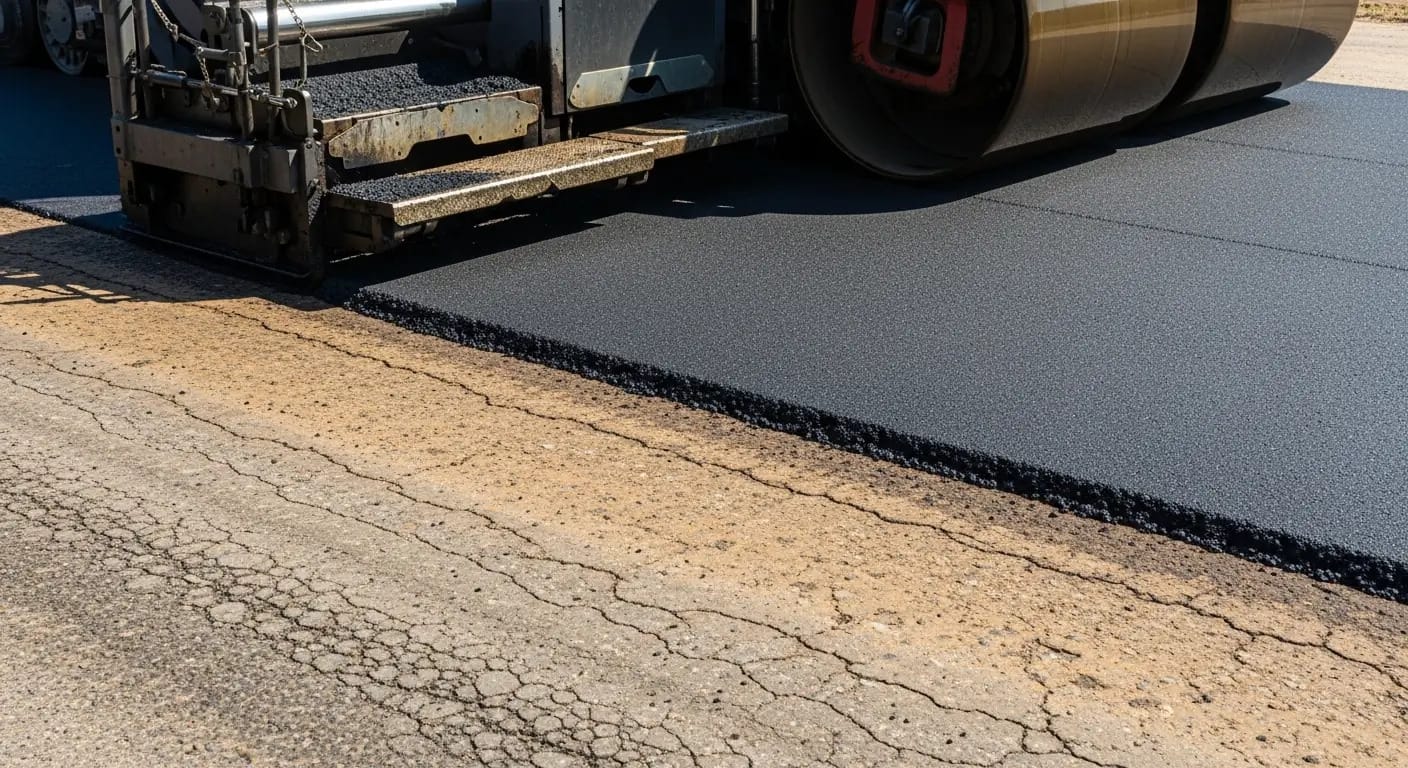
Extend the life of your driveway with asphalt resurfacing in Richmond, VA. We mill or clean the existing surface and apply a fresh asphalt overlay to restore smoothness and appearance. Resurfacing is ideal for driveways with surface wear but a solid base, giving you like new results at a lower cost than full replacement.
Precision Asphalt Richmond provides professional asphalt resurfacing throughout Richmond, VA, Virginia and the surrounding area. Our licensed, insured crew delivers safe, clean, on-time work with a free estimate before anything begins. Call (804) 409-4124 or request your free quote.
Asphalt Resurfacing & Overlays in Richmond, VA
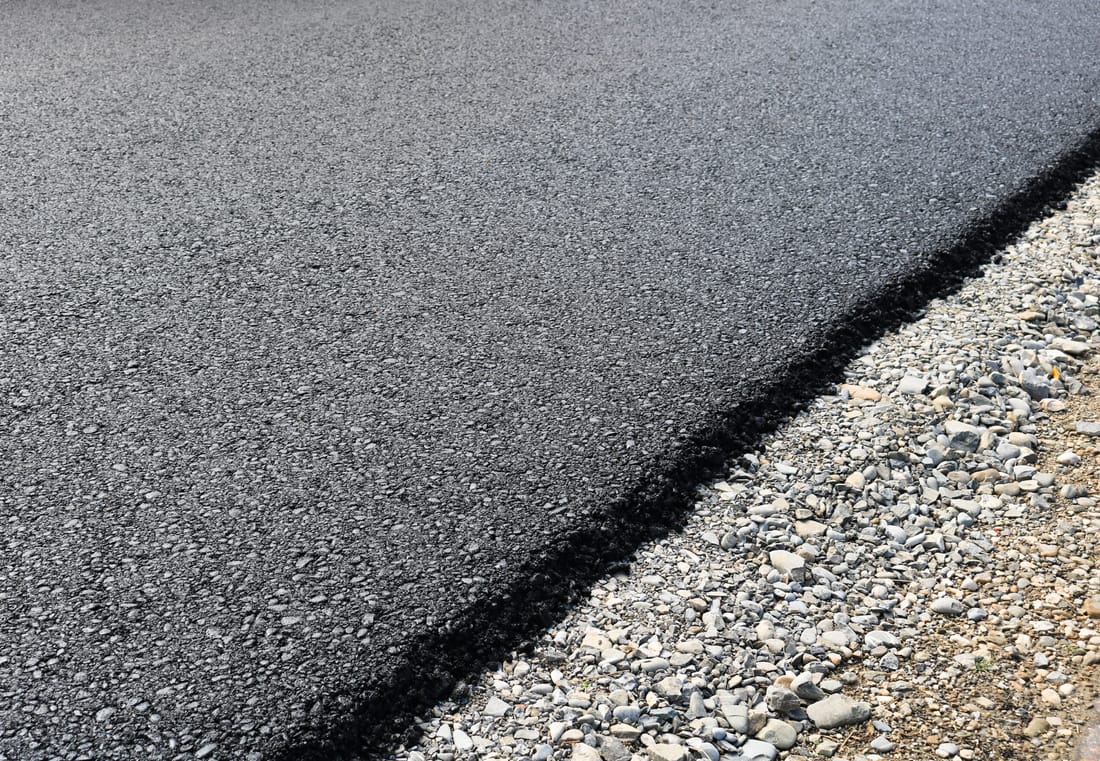
Richmond pavement takes a beating from hot summers, freezing nights, and heavy traffic. Over time, that combination leads to cracks, ruts, and a rough ride. Asphalt resurfacing, also called an asphalt overlay, lets you restore a worn parking lot or driveway without the higher cost of full-depth replacement.
Precision Asphalt Richmond focuses on resurfacing and overlays that are tailored to our local conditions and local regulations. We evaluate your current pavement structure, drainage, and traffic patterns so we can recommend whether resurfacing is appropriate or if certain areas need deeper repair first. Often, we can save Richmond property owners thousands of dollars by selectively milling and resurfacing instead of tearing everything out.
Our goal is simple. Give you a smooth, safe, long lasting surface while being honest about what your existing pavement can support. If an overlay will only hide serious structural issues for a year or two, we will tell you that before you commit.
We work with homeowners, small businesses, churches, medical offices, industrial sites, and HOAs throughout the Richmond metro area, including Henrico, Chesterfield, and Hanover. Each type of property has different overlay needs, from ADA compliance to truck loading. We factor all of that in from the beginning so you get a solution that makes sense for your site, not just a new layer of blacktop.
When Resurfacing Is the Right Choice (and When It Is Not)
Not every cracked or faded surface is a candidate for asphalt resurfacing. Precision Asphalt Richmond starts with a site visit and a core evaluation of your pavement. We look for solid underlying base stone, manageable cracking, and acceptable drainage patterns.
Resurfacing is typically a good fit when:
• Cracks are mostly surface level and not deeply interconnected like an alligator pattern over large areas.
• There are limited potholes, and those areas can be cut out and patched before the overlay.
• The base and subgrade (the stone and soil underneath the asphalt) are stable with no major sinking or pumping.
• Drainage is generally good and water is not standing near buildings or in the middle of the lot after a typical Richmond rain.
Resurfacing is usually not advisable when the pavement has widespread alligator cracking, extensive base failure, or ongoing drainage problems. In those cases an overlay would only mask the issue. The Richmond climate, with frequent freeze-thaw cycles, will quickly re-open cracks if the foundation is not right.
Before we recommend an overlay, we walk the site with you, point out any structural concerns, and explain the long term implications. On some projects we combine methods, such as full-depth replacement in heavily damaged drive lanes and resurfacing through the rest of the parking field, to balance durability and budget.
Our Asphalt Resurfacing & Overlay Process
A durable overlay is all about preparation and detail. Precision Asphalt Richmond uses a step-by-step approach that fits the specific conditions of your property.
1. Surface evaluation and layout
We start with measuring the area, identifying high and low spots, and checking how water leaves the pavement during storms. In Richmond, we pay special attention to older lots that have settled near storm drains and curb lines.
2. Milling or grinding (when needed)
In many overlays we mill the existing surface. That means grinding off a controlled depth, often 1 to 2 inches, so the new asphalt can be placed without creating a big step at transitions like garage entrances, sidewalks, or the street. Milling also removes old ruts and oxidized asphalt so the new layer bonds better.
3. Base repairs and patching
Any potholes, soft spots, or base failures are cut out square, excavated, and rebuilt with compacted stone and new base asphalt. Skipping this step is the most common reason overlays fail early, so we are strict about repairing weak areas before resurfacing.
4. Cleaning and tack coat
We blow and sweep the surface to remove dust and loose material, then apply a liquid bonding agent called tack coat. This is a critical step. Tack coat helps the new asphalt layer fuse to the old, so the two layers act as one pavement instead of sliding on each other.
5. Placing the overlay
We install a new asphalt layer, usually 1.5 to 2 inches thick for residential and light commercial work, and thicker where traffic is heavier or trucks are common. Our paving crews use a self-propelled asphalt paver for larger areas, then compact the mat with vibratory steel drum rollers and smaller compactors along edges.
6. Transitions, joints, and edges
We taper overlays at tie-in points like existing concrete, utility structures, and neighboring pavements so you do not end up with trip edges or abrupt bumps. Joints where one paving pass meets another are carefully overlapped and compacted, which reduces the chance of cracks forming along those lines.
7. Striping and markings
For commercial and HOA properties, we repaint parking stalls, ADA spaces, crosswalks, and directional arrows. We follow the City of Richmond and Virginia ADA guidelines for stall widths, access aisles, signage locations, and ramp markings so your resurfaced lot is not only smooth but compliant.
Material Options, Design Choices, and Local Considerations
Resurfacing is not one size fits all. Precision Asphalt Richmond helps you choose materials and designs that match how you use your pavement and how you want it to look.
Mix design and thickness
For residential driveways, we usually recommend a dense graded surface mix suited to passenger vehicles, typically placed at 1.5 to 2 inches compacted thickness. For commercial lots with regular delivery trucks or trash trucks, we may increase thickness or use a mix with a different aggregate structure to resist rutting. On industrial or heavy truck routes, we may recommend an intermediate asphalt layer beneath the surface course for extra strength.
Slope and drainage
Older Richmond neighborhoods sometimes have driveways and lots that were installed without proper pitch, so water lingers near garages or building entrances. When we resurface, we look for opportunities to re-profile the surface slightly so water runs to the street, a drain, or a swale. A small change in slope, sometimes just 1 to 2 percent, can greatly extend pavement life and reduce winter icing.
Tie-ins and height constraints
In the city and in many subdivisions, there are constraints like existing curb heights, garage floor elevations, and HOA restrictions on changing drainage patterns. When we overlay, we account for these elevations carefully so the new surface does not cause water to flow toward your foundation or create a bump where your driveway meets the street. If needed, we mill deeper near transitions and feather the new asphalt to maintain correct heights.
Appearance choices
While standard black asphalt is most common, we can discuss options like slightly different aggregate sizes for texture, or planning ahead for future sealcoating to keep a uniform color. For commercial sites, we advise on layout changes such as wider parking stalls, added loading zones, or new pedestrian walk paths that can be incorporated at the striping stage after resurfacing.
What Affects the Cost of Asphalt Resurfacing in Richmond
Two driveways or parking lots that look similar on the surface can have very different resurfacing costs. Precision Asphalt Richmond provides detailed, written estimates so you understand what is driving the price on your project.
Key factors include:
• Existing pavement condition
If the base is mostly sound and only minor patching is needed, costs stay closer to the lower end. If we find widespread soft spots, deep cracking, or previous poor repairs, more cut-out and replacement will be required before the overlay.
• Milling requirements
Projects that require full surface milling, such as lots that are already high against curbs or thresholds, add cost for the milling crew, equipment, and trucked-off material. Sometimes partial milling in critical areas is enough, which we will identify during the site visit.
• Overlay thickness and mix type
Thicker overlays use more material and increase cost, but they also add structural strength. For light use, a thinner overlay may be sufficient. For heavy commercial traffic or areas with turning trucks, we recommend a thicker mat or a heavier duty mix to avoid rutting.
• Size, layout, and access
Smaller projects with many tight areas, islands, or obstructions often have higher per-square-foot costs because of extra handwork and shorter paving runs. Large open lots where we can pave in long straight passes are more efficient. Access for trucks and equipment in tight Richmond alleys or hills can also affect how we stage the work.
• Markings and ADA upgrades
If your resurfacing triggers parking lot restriping, some Richmond businesses choose to use that opportunity to upgrade ADA stalls, crosswalks, and signage. Adding or relocating these elements slightly increases cost but greatly improves compliance and safety.
We walk you through each of these items before you sign. That way, when you compare our proposal to another contractor, you know whether you are comparing the same scope and quality or if critical steps are being left out to arrive at a lower price.
How to Prepare, What to Expect, and Why Choose Precision Asphalt Richmond
Proper planning makes resurfacing smoother and reduces disruption. When you schedule with Precision Asphalt Richmond, we give you a clear timeline and help you prepare.
For residential driveways
We typically complete most driveway overlays in one day. You will need to clear vehicles from the work area and, if applicable, notify your HOA. Depending on temperature, we usually recommend staying off the new surface with vehicles for 24 hours, and avoiding hard turning of steering wheels while stopped for the first several days. We coordinate around trash pickup days and deliveries so you are not stuck.
For commercial and HOA properties
We can phase resurfacing to keep a portion of your parking lot open. That might involve working on weekends, evenings, or dividing the lot into sections with clear barricades and signage. We can assist with temporary traffic plans and tenant notices so everyone knows where to park and when.
Permits and local rules
Within the City of Richmond, resurfacing that stays within existing property limits usually does not need a street opening permit, but tie-ins that affect the public right of way may. In Henrico, Chesterfield, and Hanover, requirements differ for entrances that connect to county roads. We routinely work within these rules and will let you know if any approvals are needed for your specific property. For commercial lots, we keep ADA and fire lane requirements in mind when restriping.
Why local experience matters
Local experience affects more than just permitting. It means understanding how Richmond clay soils behave, how our freeze-thaw cycles open small cracks into big ones, and how summer heat can cause rutting in poorly specified mixes. Precision Asphalt Richmond designs resurfacing projects so they are realistic for our climate and traffic, not just attractive on day one.
If you are considering asphalt resurfacing, we are glad to walk your property with you, explain what we see, and give you options with clear pros and cons. That way you can decide with confidence whether an overlay, selective reconstruction, or a different approach is the right investment for your pavement.