Home › Commercial Gravel-to-Asphalt Conversions
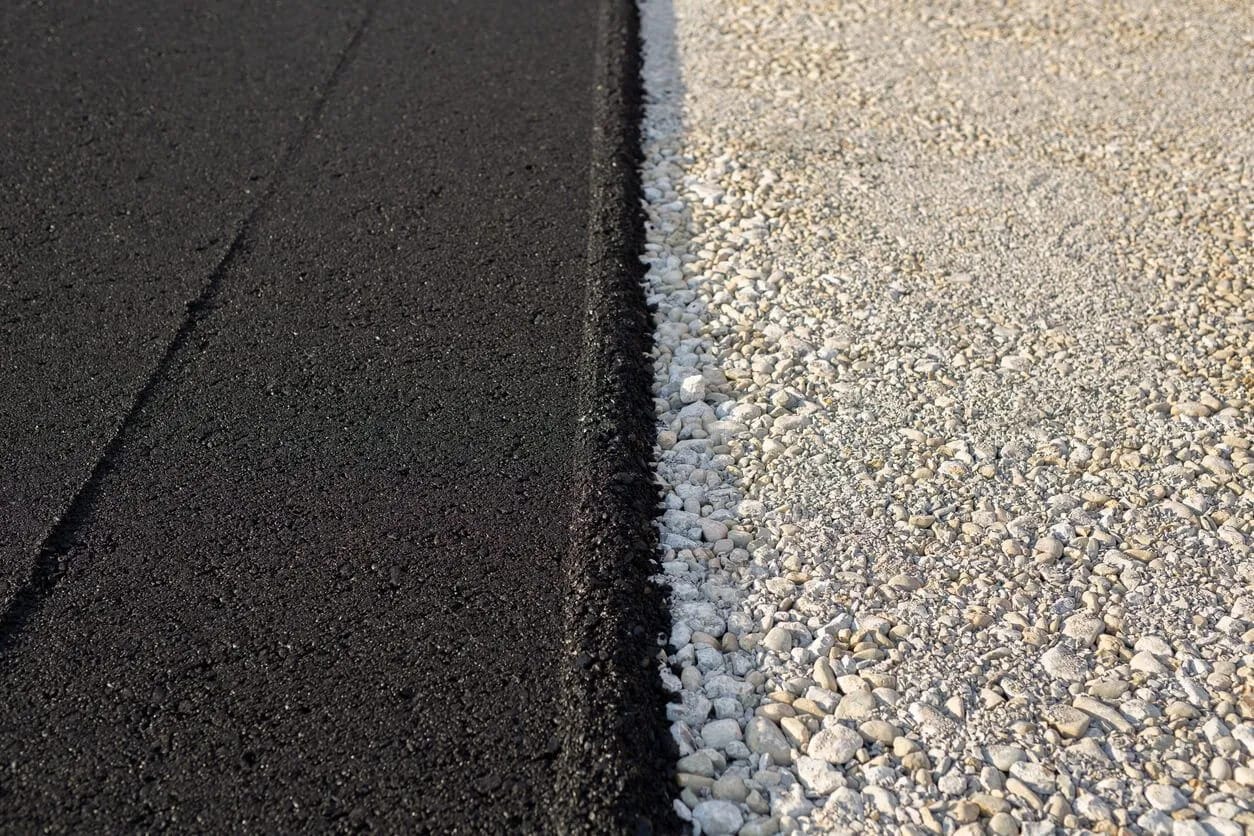
Upgrade unpaved areas with commercial gravel to asphalt conversions in Richmond, VA. We transform dusty, rutted gravel lots and drives into clean, durable blacktop surfaces. Our crews regrade, compact, and pave to create safer parking, easier snow removal, and a more professional look for your property.
Precision Asphalt Richmond provides professional commercial gravel to asphalt throughout Richmond, VA, Virginia and the surrounding area. Our licensed, insured crew delivers safe, clean, on-time work with a free estimate before anything begins. Call (804) 409-4124 or request your free quote.
Commercial Gravel-to-Asphalt Conversions in Richmond, VA
If your commercial property in Richmond still has gravel drives, lanes, or parking areas, converting to asphalt can reduce maintenance, improve drainage, and create a cleaner, more professional look. Precision Asphalt Richmond focuses specifically on commercial gravel-to-asphalt conversions, which involve more than simply paving over rock. We evaluate your existing base, traffic patterns, drainage, and access needs to build a surface that can handle real-world use.
Most of our calls in the Richmond area come from building owners and facility managers who are tired of constant regrading, dust complaints, and ruts after storms. Gravel can be practical in the short term, but commercial traffic in central Virginia, especially delivery trucks and work vehicles, quickly exposes its limits. A proper conversion replaces that loose surface with a compacted, engineered structure and a smooth asphalt wearing course that stands up to loading and weather.
On this page we explain exactly how Precision Asphalt Richmond handles commercial gravel-to-asphalt projects from the first site visit to the final striping, what affects pricing, and what you should ask before hiring any contractor for this type of work.
Site Evaluation, Design, and Permitting
The first step in a commercial gravel-to-asphalt conversion is a site evaluation. Precision Asphalt Richmond walks the entire area with you, noting soft spots, standing water, utility locations, and how vehicles actually move across the site. We look for issues like pumping gravel (where water and fines are being forced up under truck tires), washouts along edges, and low areas that stay wet several days after a storm.
Based on this walk-through, we determine whether your existing gravel base can be reused, needs to be supplemented, or should be undercut and replaced in certain sections. In Richmond clay soils, we often find that heavy truck lanes or dumpster pads need deeper stone and more compaction than car-only parking rows. We will usually recommend a slightly different pavement structure for loading zones versus general parking, which keeps you from overpaying for thickness where it is not needed.
For commercial properties inside Richmond city limits or in Henrico and Chesterfield, certain projects will require permits or at least compliance with local zoning and stormwater rules. While we are not an engineering firm, Precision Asphalt Richmond coordinates with your civil engineer when needed, provides pavement sections and drainage details for review, and can supply written estimates for budget and permit purposes. For smaller conversions where the footprint is not expanding, we still confirm any HOA or commercial park requirements for look, layout, and access.
Base Preparation and Stabilization Over Existing Gravel
Most of the performance of a commercial asphalt surface comes from what is under it. For conversions, that means getting the existing gravel base into the right condition. Precision Asphalt Richmond starts by shaping the existing gravel with graders or skid steers to achieve the target slopes, usually at least 1.5 to 2 percent fall to drains or swales. We remove vegetation and organic material that has crept into shoulders or lightly used corners, since roots and topsoil create soft spots that will later turn into potholes.
Next, we address weak areas. In Richmond, we frequently encounter pockets of soft, moisture-holding clay, especially near tree lines or older fill areas. In these locations we undercut several inches, sometimes up to a foot or more, and replace that material with crusher run stone. When the native subgrade is particularly soft, we may recommend a geotextile stabilization fabric between the clay and the new stone. Fabric is not always needed, but in high-traffic truck lanes it can prevent the stone from punching into the subgrade.
Once weak areas are corrected, we add and spread additional aggregate as needed to achieve the specified base depth, which for light commercial parking often ends up in the 6 to 8 inch range, and for heavier truck traffic can go to 10 or more inches. We then compact the base with vibratory rollers in multiple passes. On converted gravel lots this step is critical, since many sites have never had the gravel compacted to a uniform density. Before we approve the site for paving, we proof roll it with a loaded truck or roller and mark any areas that deflect, then correct those spots so that the asphalt is not bridging over soft ground.
Asphalt Paving Options and Thickness for Commercial Use
With the base set, we decide on asphalt mix and thickness based on how your Richmond property is used. Precision Asphalt Richmond typically installs a binder course and a surface course on commercial gravel-to-asphalt conversions rather than a single lift. For example, a common section for car-focused parking lots is 2 inches of base or binder asphalt topped with 1.5 inches of surface mix. For lanes that see frequent box trucks or delivery vehicles, we may increase the total thickness to 4 or 5 inches and adjust the stone base depth accordingly.
Virginia DOT approved mixes are available and often a good choice, especially where trucking routes or municipal vehicles use your site. We talk through options like a slightly coarser surface mix for more traction on slopes, or a tighter mix if you want a cleaner, more finished look near office entrances. In some truck-intensive areas, we might recommend a thicker binder layer with a standard surface layer, which gives you the ability to mill and overlay later without reconstructing the entire pavement.
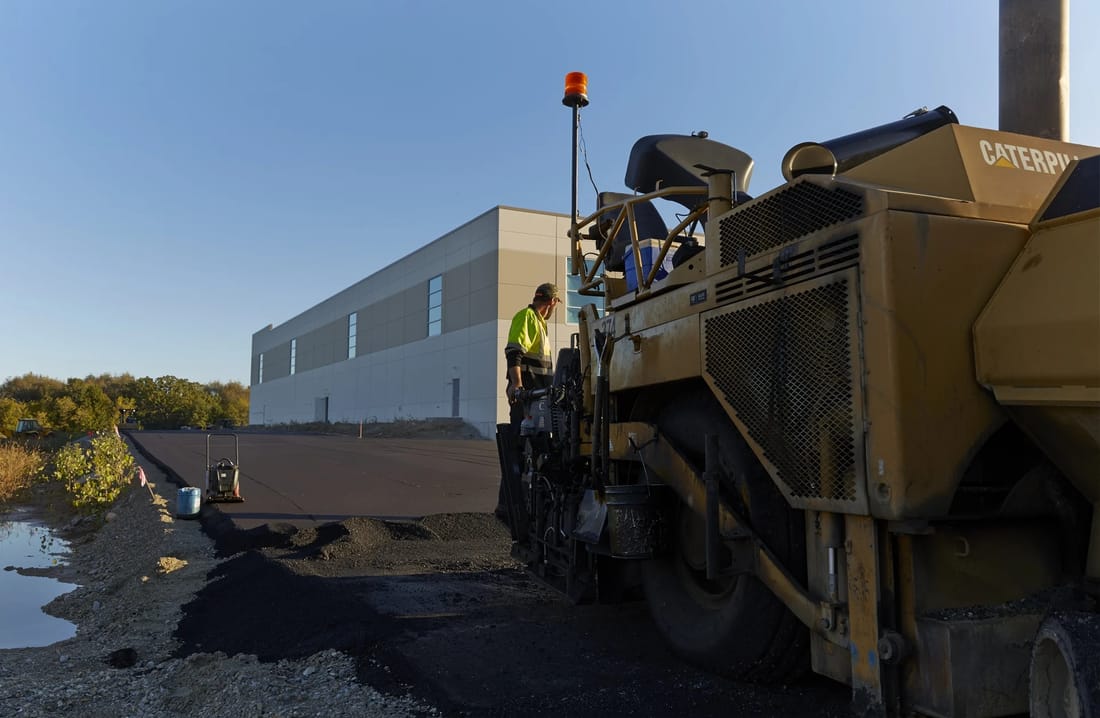
During paving, we use mechanical pavers for larger lots to maintain consistent thickness and smoothness, then compact with steel drum rollers while the mix is at the correct temperature. On tighter sites, around loading docks or odd-shaped islands, we supplement with hand work and plate compactors. Joints between new asphalt and existing concrete (such as sidewalks, curbs, and dock aprons) are cut in clean and sealed so that water does not infiltrate at those seams. Proper joint work is one of the details that often separates a long-lasting conversion from one that fails early.
Drainage, Markings, and Common Local Problem Areas
A commercial gravel-to-asphalt conversion is the perfect time to fix drainage and layout problems that were never solved when the lot was gravel. Precision Asphalt Richmond carefully checks where water currently runs and where it ponds. In Richmond, we frequently see depressions along the edges of older gravel drives that have been slowly rutted out by vehicles avoiding puddles. When converting, we reestablish consistent cross slopes and gutters, and add or adjust catch basins or surface swales if needed.
If your property lies near the James River low areas, like parts of Shockoe Bottom or warehouses closer to the floodplain, we pay extra attention to where stormwater exits your lot, since those systems are often already heavily used. For commercial sites in outlying areas like Sandston or Midlothian, we often have more room to create shallow ditches and grass swales along the new asphalt that protect the pavement edge from erosion.
Once paving is complete, we handle markings and site controls. That includes layout and striping of parking stalls, ADA spaces, loading zones, directional arrows, and fire lanes to meet local codes. On many conversions we also install concrete wheel stops or bollards where buildings sit close to parking or where pedestrians cross vehicle paths. We can coordinate with fencing or gate contractors so that your traffic flow and pavement edges work together instead of against each other.
Common problems that property owners bring up after a conversion are related to heavy point loads, like under dumpsters or at the turn of a tight loading dock. For those spots, we often recommend or install concrete pads during the project, which prevents early rutting of the asphalt. Discussing these areas up front keeps you from being surprised by localized failures a few years after installation.
Cost Drivers, Timelines, and What to Ask a Contractor
Several specific factors drive the cost of a commercial gravel-to-asphalt conversion in the Richmond area. The biggest are base correction and total pavement thickness. If your existing gravel is reasonably deep and stable, we may only need to reshape and compact, which keeps costs predictable. If we find widespread soft spots, shallow stone over clay, or drainage issues that require underdrains or structures, the price will increase, but you gain a pavement that actually lasts.
Access for trucks and equipment also affects cost. Sites in tight parts of downtown Richmond, or behind occupied buildings, can require more hand work and smaller loads, which adds labor. Larger open sites in places like Chester or Hanover are more efficient, which we pass along in pricing. The type of traffic is another major factor. Lots that serve only passenger vehicles can use lighter sections than heavy industrial yards or distribution centers, and we will be clear with you about what each option can realistically handle.
Most commercial gravel-to-asphalt conversions take a few days to several weeks, depending on size and complexity. Precision Asphalt Richmond works with you to phase the project so your business can stay open. That might mean doing half the lot at a time, or scheduling high-traffic lanes for weekends or off-hours. We give you a realistic schedule, not an optimistic one, and we explain what areas will be offline on which days.
When you evaluate contractors, ask how they determine base suitability, how they handle soft areas, and what pavement section they recommend for your specific traffic, not just what they install everywhere. Request a written scope that separates base work, asphalt thickness, and any concrete pads or drainage improvements so you can compare bids on equal terms. Precision Asphalt Richmond is always willing to walk the site with you and explain each line item, so you know exactly what your investment is paying for and what kind of service life to expect from your new asphalt surface.